The Reality of Making Money in the Early Years as an Indie Film Composer Outside of LA in 2023
First, a little background on me: I started pursuing film composing in 2019, didn’t get my first paid job until 2021, and went from full-time medical science student to part-time medical worker with $100k in private loans during the pandemic. So far, I’ve composed for 11 short films, 3 podcasts, completed 2 string arrangements, and I’m currently working on 2 short films and a feature film. Next year, I’m scoring a small independent series. Also worth mentioning- I live in San Diego which is about 1.5hrs from LA.
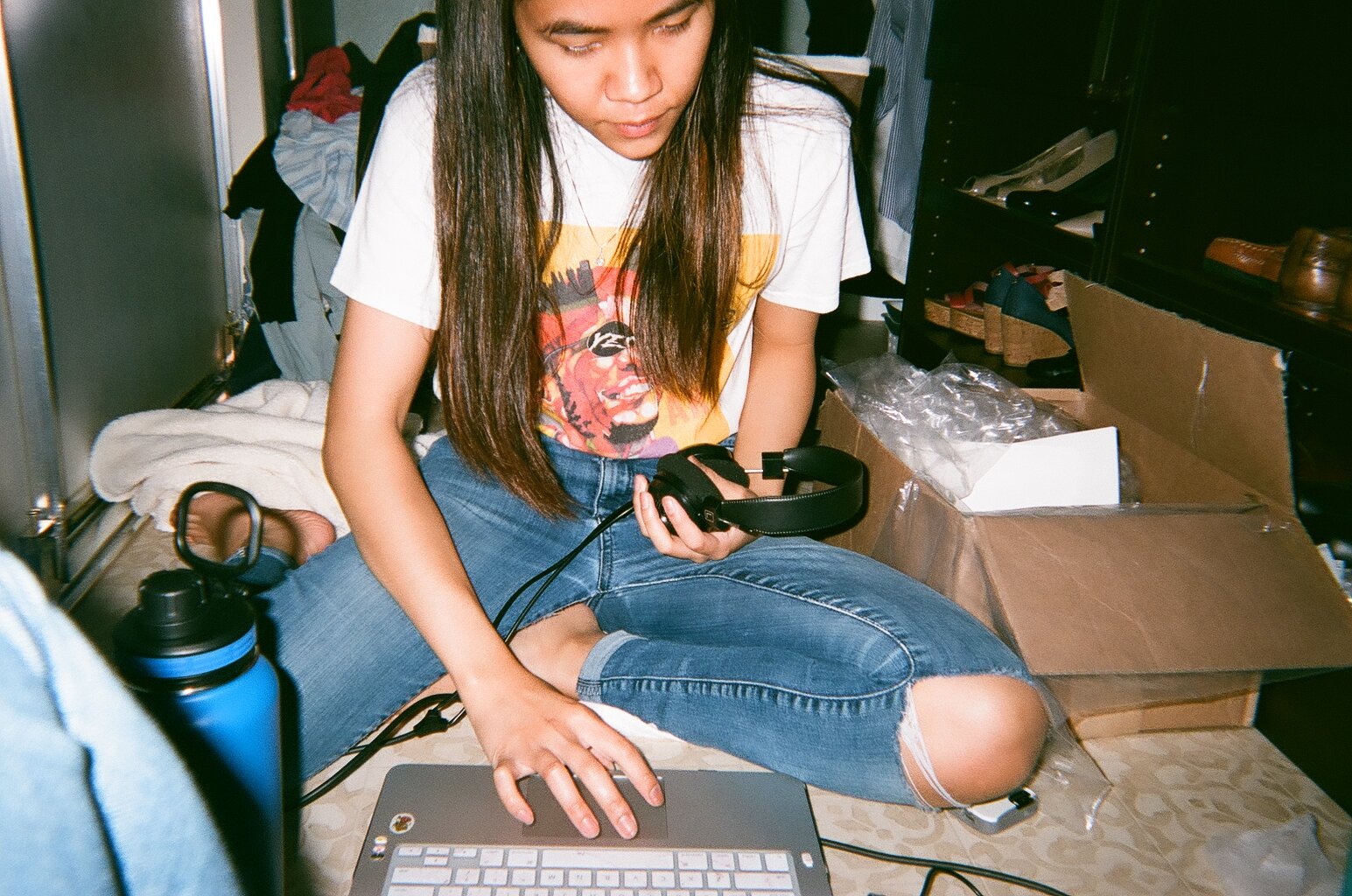
Q: How much money did you make in your first 5 years of composing?
A: Not much. I remember when I first started working my day job I wanted to leave so badly, I was desperate to get composing work no matter what I was paid. Getting paid student film gigs was a big step forward, but it wasn’t enough. Also knowing that it wasn’t enough started to weigh down on me and for a while I thought that I should just try to be happy having a day job and do composing on the side regardless of money.
Although I didn’t make a lot in the beginning, I still loved it. Every year things got better and I saw how my passion and hard work led to word of mouth referrals and people started finding me on their own via Instagram. Coming up on my 5th year of composing in 2024 with my debt almost gone, I’m finally starting to realize that people actually want to hire me and that I can do this full-time very soon.
Q: How are you preparing to go full-time with composing?
A: My major focus has been to first reduce expenses and get rid of my student debt. It’ll be much easier to transition without needing to pay thousands of dollars a month. I also paid off my car which was a big help. I use Google Sheets to play around with my budget and the money tracking app Mint to monitor my spending.
Another thing I did was to save at least 6 months worth of expenses (minus my student debt). This will be my emergency fund for drier months and also for unexpected life stuff. I’ll continue to grow it after I go full-time.
As for getting my composing income up, I’ve realized that I have to start planning much farther in advance and match the actions I take today with where I want to be 6 months to 1 year from now. Films take a while to make and as composers, we’re at the end of that process. Making sure that there are always projects down the pipeline is essential to getting work regularly, and that means cultivating relationships and leads months before you actually need the job.
To give a more concrete example, let’s say I know that from September to November this year I’ll be working on a film for a package fee of $1,000. I have a written agreement with the director that I’ll be paid $250 amount every month until the score is finished by the end of November when they’ll pay me the final $250:
September 2023 - $250
October 2023 - $250
November 2023 - $250+$250
With this one project spread across 3 months, my average monthly income is $333/month.
If I want an average income of $1,000/month, I need an additional $667/month ($1,000-$333/month) or a total of $2,001 ($667x3). This could come from maybe 2 short projects worth $1,000 each or a single project worth $2,000.
If I want an average income of $5,000/month, I need an additional $4,667/month ($5,000-$333/month) or a total of $14,001 ($4,667x3). This could come from maybe 2 short projects worth $7,000 each or a single project worth $14,000.
It’s currently July, so if I know by fall that I need 2 short films or 1 higher paying project- I should start developing leads and planning now, not in September.
While these are just minimum numbers to meet your monthly income goal (definitely charge more!) and you can’t really predict what’s going to happen, I think it’s useful to know real numbers and have something to aim for rather than say yes to whatever number “sounds good” and then be left wondering why you aren’t full-time yet.
I acknowledge that this perspective feels very survival mode rather than thriving and focused soley on active composing, but it’s a tool I’m starting to use to clarify what it actually takes to go full-time.
Scoring projects are known to be irregular, but there are many other avenues for income nowadays. Many composers I look up to also have other streams of income including teaching, writing demos for sample libraries, passive revenue from music licensing, courses, Patreon, etc. They also hire others to help them on projects and automate where they can so that they can protect their time and lifestyle.
I’m slowly getting there, but for now I’m still transitioning!
Q: How long do you realistically expect to take to go full-time?
I’ve honestly already pre-filled my letter of resignation from my day job and I know the day I officially go full-time. That’s in about 18 months, everything will work out fine!
Just kidding, kind of (I really have my 2 weeks notice ready though). Like I talked about before, I know the numbers I need to transition to full-time. I’ve been putting in the work consistently, composing regularly but also showing people who I am and that I have a lot to give. Most importantly, I’ve been patient and enjoying the journey overall despite how slow it was in the beginning.
I’m now starting to see that I’m in demand amongst the creative/film circles I’m a part of. I guess I have a reputation now and people I don’t know, know me??? This is very exciting that people come to me now, and I can’t get over it. I just want to scream sometimes.
Anyways, I can say that my career is looking and feeling very promising.
If for whatever reason the AI apocalypse ensues and the entire filmmaking industry collapses in 18 months and I don’t go full-time and need to keep my day job to survive, that’s understandable.
Otherwise, I don’t see why I can’t compose for a living and have fun doing it.
Yippee!!!