Behind the Scenes - Making Music For Becoming: The Podcast
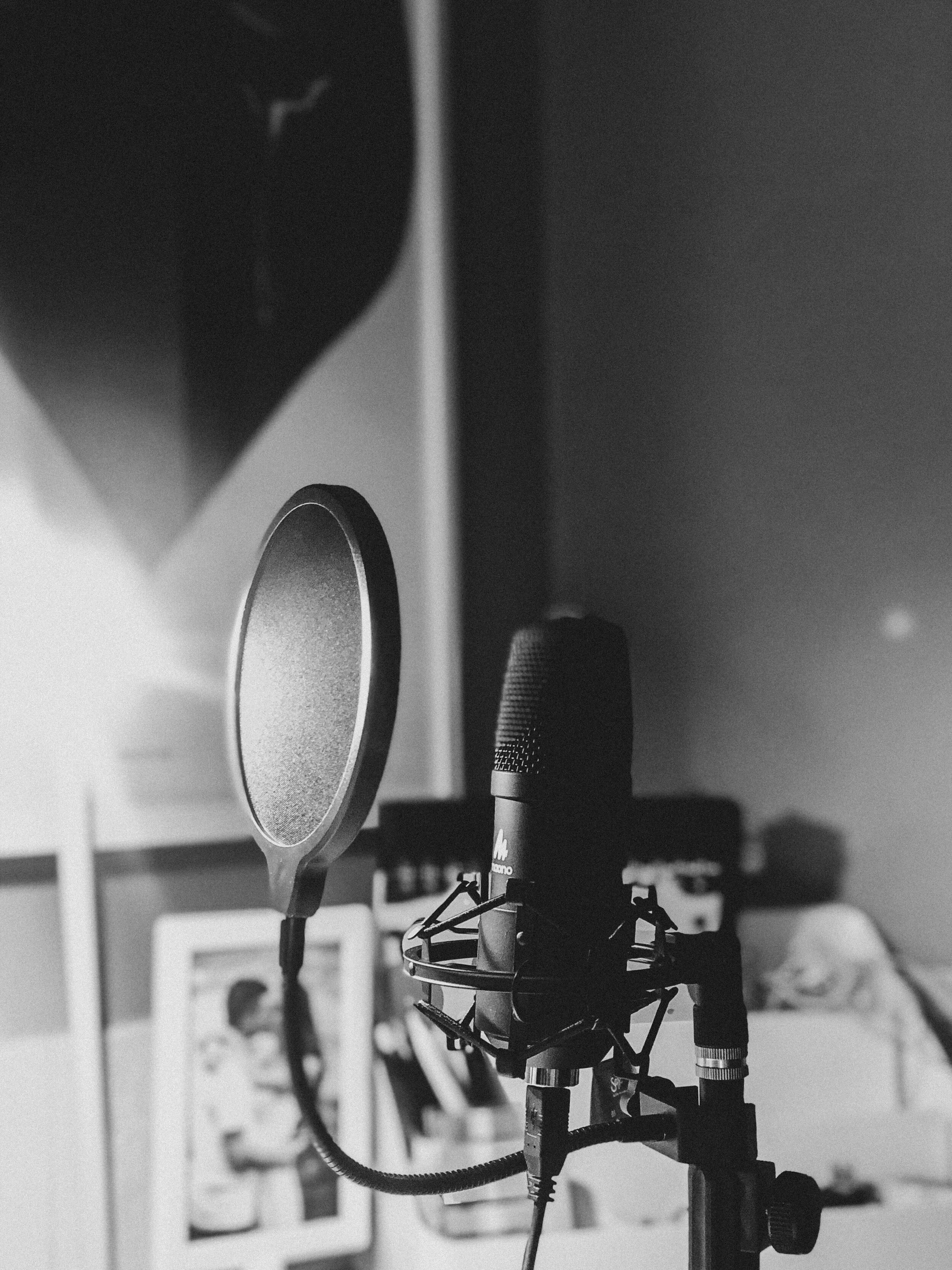
Photo by Kate Oseen on Unsplash
2 months ago I knew absolutely nothing about making podcast music.
When a pair of storytellers tasked me with the job of creating music for their podcast, I jumped at the offer and ran with it. In the span of 3-4 weeks, I dove headfirst into podcast music and came out the other side excited about this rapidly growing medium.
…
During Becoming: The Podcast, we clarified on the main objective the team wanted to accomplish with the podcast’s music.
Each episode in the show features a guest with their own unique story to becoming the person they were meant to be. With this common running thread throughout the show, the team realized the need to create a consistent sound for the podcast with tracks that worked across episodes and different stories.
Building an Approach
Initially, the podcast team informed me on the show’s structure and I thought that it would provide me with a framework for writing music.
After studying the Webby Award winning podcast Hidden Brain, I quickly learned that I could streamline my composing process by creating music that fit into 3 categories depending on what the music needed to accomplish.
Help set the scene and build atmosphere
Enhance emotional content
Provide a transition during pauses or sections of the narrative
As I was writing the harmony for the main theme, I learned what I could about making music that plays under dialogue thinking that underscores in film would have similar challenges as podcast music.
I came across guidelines including things like being cautious during voice overs, avoiding super big sweeping melodies, and not using instruments similar to a speaker’s vocals.
The thing about guidelines though is that they’re guidelines and there will always be exceptions.
After asking for some pointers from some professionals I knew, I realized that I just had to use my intuition and trust my ears.
So I dove headfirst and discovered some things for myself by experimenting and making mistakes.
Here are 3 things I learned from this experience:
1) Super melodic stuff is distracting.
It didn't take long to confirm this. Overwriting is a big cringe moment that I never want to experience again and I am eternally grateful to have grown enough to recognize this from the get go.
In the case of podcast music, it’s likely that the track would be turned down in the mix anyways and in the end it probably wouldn’t have mattered much.
But as a composer, I want to rest knowing that the music was properly made and is actually adding value to my client’s work.
They might not notice all the things I do, but it’s still my work and I want to take pride in it knowing my craft is being put to use.
Even if that means stepping out of the spotlight and not writing a bomb ass melody because the podcast doesn’t need it.
2) Loops allow you to experiment more with texture and color.
For some reason I developed a stigma towards looped music. Once I let go of trying to write a fully developed track every time, I realized that using loops doesn’t mean you get to be lazy.
One of my composer friends described the tracks as “cute indie pop but different” and “simple yet effective”.
By setting some parameters that I would not change in the beginning of the process, I could focus my creative energies towards fewer things.
Early on, I decided to base almost everything I wrote on a spread triad chord with the 3rd on top (or as I call it, a 10th) for an open and honest sounding voice.
After the first music review, I found that the team really enjoyed the sound of piano so I stuck with it.
Throughout the project I would come back to my spread triads and piano whenever I got writer’s block. It was honestly a game changer and I ended up writing a lot without allowing time to second guess myself.
I experimented with using the same instruments in different contexts and incorporated synths to expand the palette. Overtime, I combined them in different ways and introduced new things sparingly to bring a fresh sound in a familiar way.
3) The final product is not a score.
When you’re deep in the trenches of GarageBand and there’s people counting on you to make something good, you get tunnel vision. If it weren’t for my mentor who pointed it out to me, I would have done more work than necessary and given myself a headache for no reason.
Although it sounded great and I was really attentive to the story, it’s just not efficient to listen to the whole podcast and write along the way. Towards the end of my writing it became clear that I was crossing over into editing territory.
In the end, I exported around 10-15 tracks total including loopable and full length tracks. It was the best feeling in the world to see the team light up when they heard it for the first time.
The final product is a pack of building blocks that help support the story and work across episodes.